
What North Carolina homes are up against.
NOAA National Centers for Environmental Information, Storm Events Database, bulk CSV export, events 2015-01-01 through 2024-12-31. · U.S. Census Bureau, 2020-2024 American Community Survey 5-Year Estimates

What a contractor has to determine before quoting is whether the system at a given address has been running against a load its original installation accounted for. 10,154 severe weather events were recorded in North Carolina between 2015 and 2024. At roughly that pace, a heat pump accumulates stress across its service life at a rate its rated capacity was either matched to or was not, and the gap between those two outcomes shows up in efficiency loss and component wear long before a breakdown confirms it. A county's specific exposure within that statewide total is what sets the actual load figure a contractor uses to spec the replacement or service the existing unit.
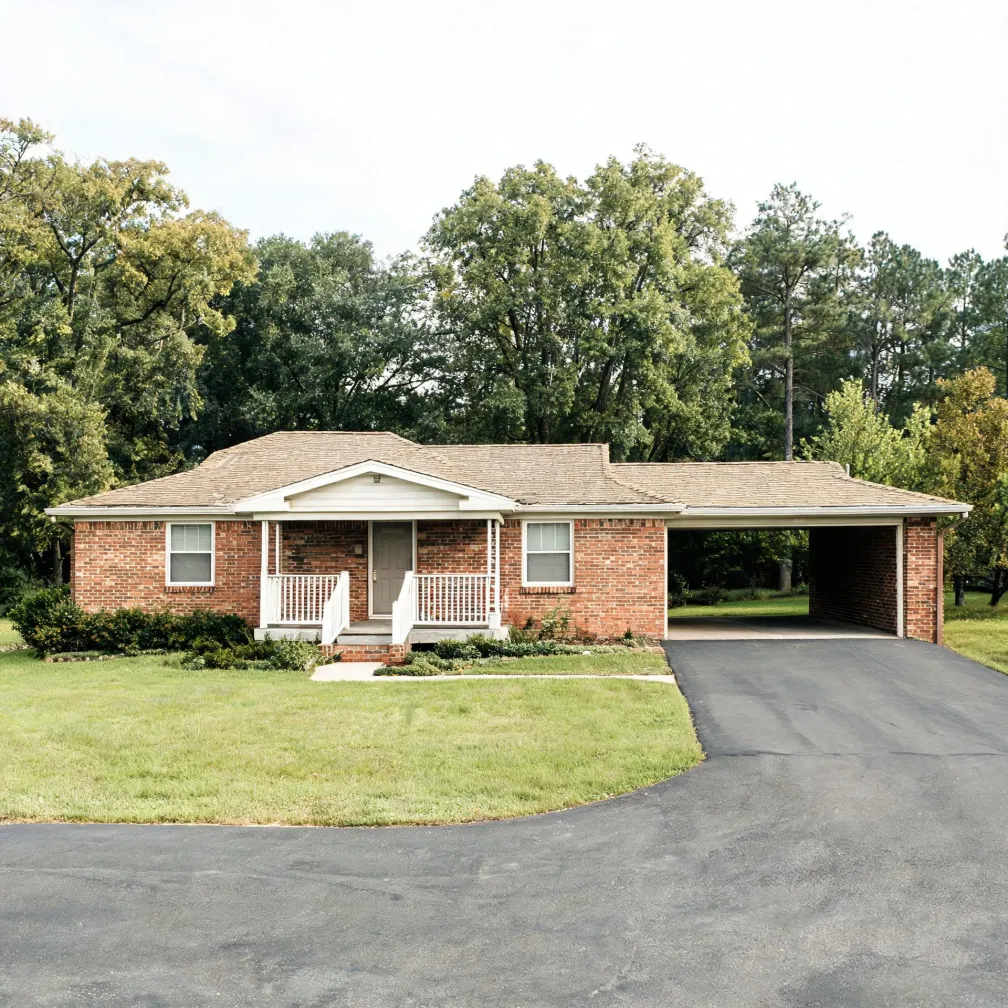
A quote for heat pump work starts with what the contractor can see and measure on site, not with assumptions carried in from the truck. Ducts that were sized for a different system, electrical panels running near their service limit, refrigerant lines from an earlier installation: every one of those has to be assessed before a specification holds. Half the homes in North Carolina were built in 1991 or earlier (2020-2024 ACS 5-year). That spread means a contractor arriving anywhere in the state faces roughly even odds of a house whose mechanical systems have been through one or more replacement cycles, and every cycle leaves something behind that the next one has to work around.
Does your county put extra stress on HVAC equipment?
2015–2024 · Source: NOAA National Centers for Environmental Information, Storm Events Database.
A condenser sitting outside in North Carolina faces wind, hail, ice, and summer heat that can degrade coils, bend fins, and shorten the working life of a system sized for average conditions. Where your county ranks reflects the real load on outdoor equipment, which shapes how a unit should be specified and where it should be positioned on your property. The contractor you are matched with works that out before anything is quoted or installed.
North Carolina HVAC Contractor License Requirements
North Carolina sets its own rules for who may perform HVAC installation and repair work. The provisions below are quoted directly from state authority, not paraphrased.
North Carolina issues Class I heating licenses covering all systems in all structures, and Class II licenses covering heating systems in single-family detached residential dwellings.
A state license requirement means the work on your home can only be performed by a contractor who holds the credential North Carolina requires. Sending a request through this site connects you with contractors who carry that license. That credential is the filter every request passes through before it reaches anyone.
Read the source provisions2 provisions
North Carolina issues Class I heating licenses covering all systems in all structures, and Class II licenses covering heating systems in single-family detached residential dwellings.
North Carolina requires a license before any person or firm may engage in, or offer to engage in, the business of heating contracting.