
What Vermont homes are up against.
NOAA National Centers for Environmental Information, Storm Events Database, bulk CSV export, events 2015-01-01 through 2024-12-31. · U.S. Census Bureau, 2020-2024 American Community Survey 5-Year Estimates

What a contractor quotes for a heat pump install in Vermont starts from what the equipment will be asked to carry year after year, not just on the easy days between rough patches. 1,748 severe weather events were recorded in Vermont between 2015 and 2024. That rate of demand is spread across a state large enough that what it means at one address can differ substantially from what it means at another. A system sized for lighter duty than the site actually sees will run longer at higher load to keep up, and parts wear to that load, not to a calendar. The specification a contractor arrives at is a direct product of how hard that site's conditions push the equipment.
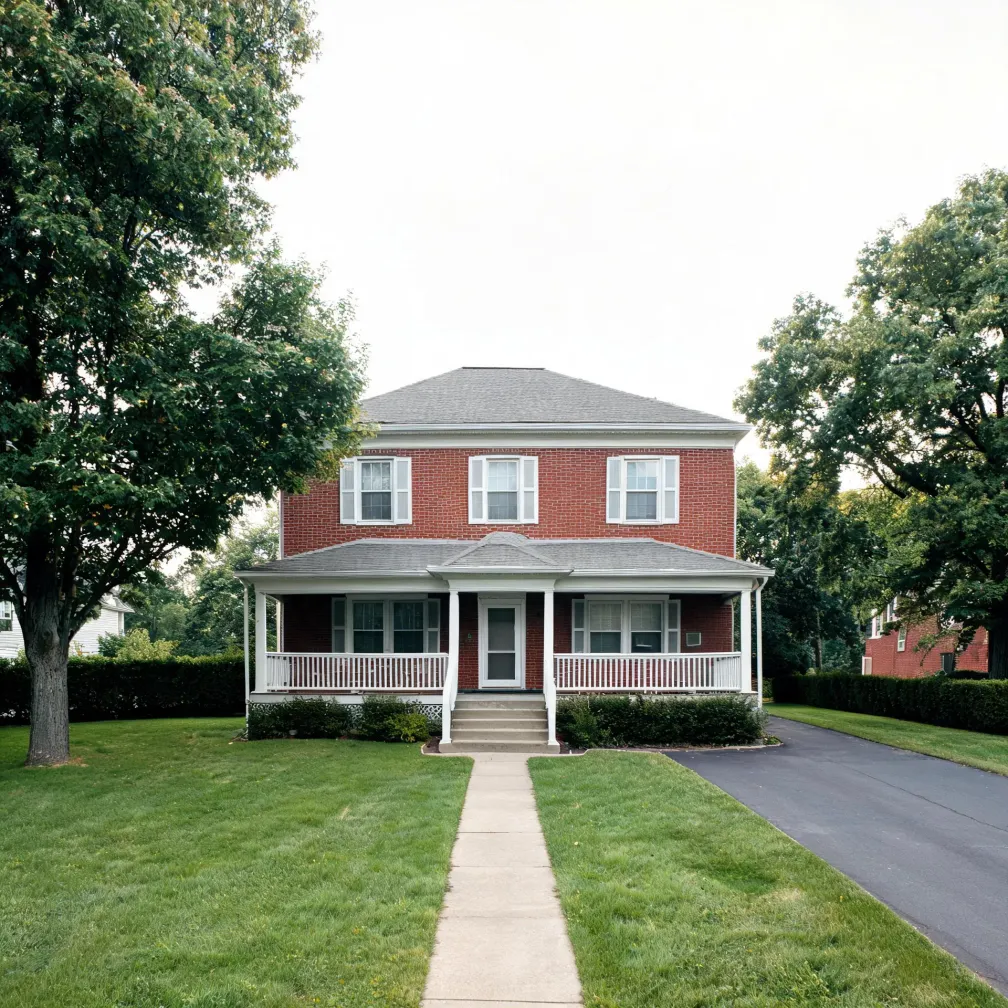
A quote for a heat pump install in Vermont starts with what a contractor can physically verify, not what the listing says the house has. Half the homes in Vermont were built in 1976 or earlier (2020-2024 ACS 5-year). That means the duct runs, if any exist, reflect decisions made for older equipment under older load assumptions. The electrical service may have been extended or patched over the years rather than replaced. A contractor has to measure both before committing to a specification, and what they find often differs from what the homeowner was told at purchase.
Does your county put extra stress on HVAC equipment?
2015–2024 · Source: NOAA National Centers for Environmental Information, Storm Events Database.
A condenser sitting outside in Vermont faces driving rain, ice load, heavy snow accumulation, and wide temperature swings across a single year. That range affects how a system should be sized, how the outdoor unit should be positioned and protected, and how hard it will work to hold a set temperature through the worst of any season. The licensed contractor you are matched with knows this territory and sizes the equipment accordingly.
Vermont HVAC Installation and Repair License Requirements
Vermont sets its own rules for who can perform HVAC installation and repair work, and the provisions below are drawn directly from state sources rather than paraphrased.
Vermont splits the trade across two specialty licences and a contractor may hold one without the other: field A1 covers automatic gas or oil heating including geo-thermal and ground source heat pumps, and field C3 covers refrigeration or air conditioning including air-to-air heat pumps.
A state licensing requirement for this trade means that performing HVAC work without the proper credential is not a legal option for an unlicensed person, regardless of who owns the home. That boundary is what makes the license relevant to the request you are about to send. Every contractor this site routes work to holds the license these provisions describe, and a request does not move forward until that check is satisfied.
See the source provisions2 provisions
Vermont splits the trade across two specialty licences and a contractor may hold one without the other: field A1 covers automatic gas or oil heating including geo-thermal and ground source heat pumps, and field C3 covers refrigeration or air conditioning including air-to-air heat pumps.
Vermont reaches HVAC work through its electricians’ licence rather than an HVAC licence, and the requirement stops at the front door of a house: anyone performing electrical work in Vermont must be licensed as an electrician unless the work is in a residential building containing two or fewer dwelling units.